

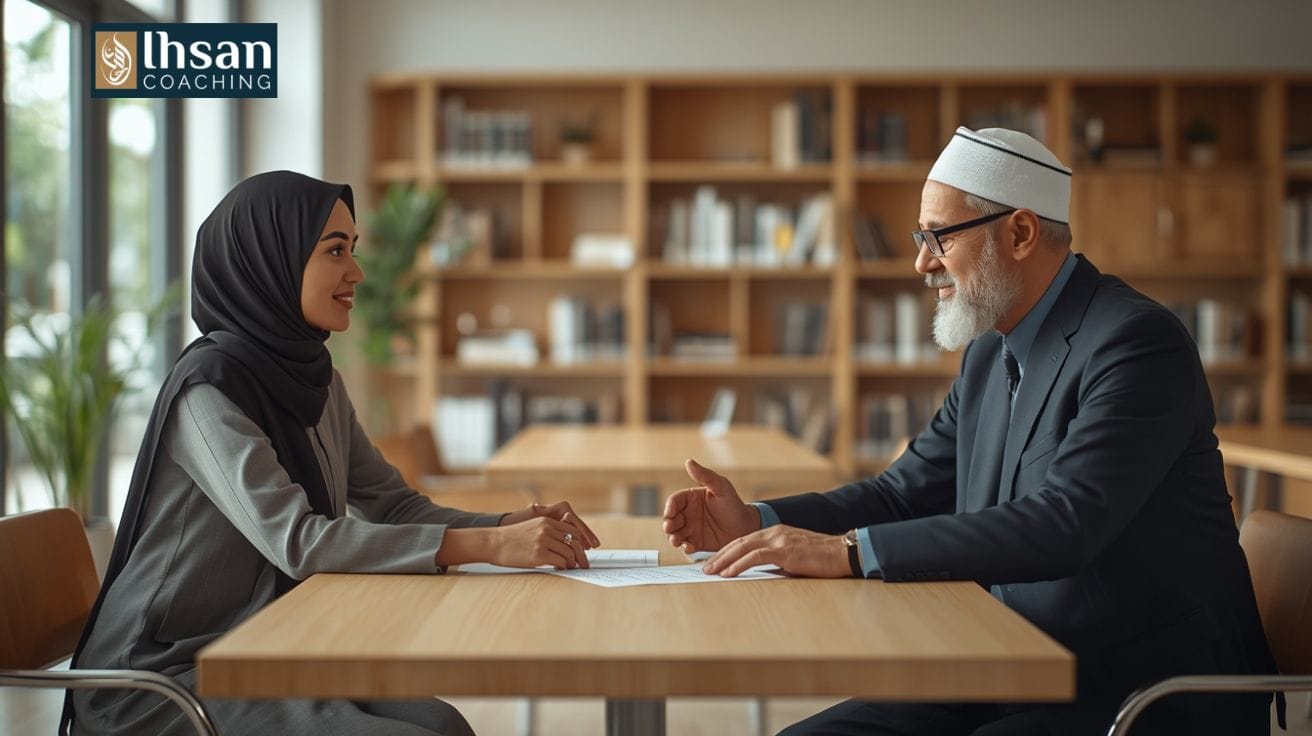
Summary
“Entering a Muslim convert marriage brings immense joy but also unique hurdles. This guide explores practical ways to navigate cultural differences, find the right Wali, and build a lasting, faith-based union.”
Embracing Islam is a profound spiritual journey that reshapes every aspect of a person’s life. One of the most significant milestones after taking the Shahada is the pursuit of marriage. A Muslim convert marriage is a beautiful milestone, representing half of one’s faith and providing a solid foundation for a new, Islamically-centered life. However, the path to the nikah (Islamic marriage contract) is rarely linear for new Muslims.
While born-Muslims often have an established community network, extended family support, and a deep-rooted understanding of cultural norms, converts step into this arena with a blank slate. They frequently face a unique set of convert to Islam marriage challenges. From finding a suitable Wali (guardian) to navigating the tricky waters of cultural expectations versus pure Islamic principles, the process can feel overwhelming.
In this comprehensive guide, we will provide actionable, new Muslim relationship advice. We will explore the most common hurdles faced by reverts and offer practical, Islamically-grounded strategies to navigate them successfully, ensuring that your transition into married life is built on clarity, respect, and mutual understanding.
Filling the Gap: What Common Advice Misses
When searching for guidance on finding a spouse, you will find many resources online. However, an analysis of top-ranking articles on this topic reveals significant content gaps that leave converts without a complete roadmap:
- The Anecdotal Gap: Many platforms focus heavily on beautiful, personal convert stories. While inspiring, they often lack a structured, step-by-step actionable framework for readers currently in the trenches.
- The Negative Focus: Some articles focus strictly on “marriage fails” and pitfalls (such as the “savior complex,” the incompetent Wali, or rushing into marriage). While cautionary tales are necessary, they must be balanced with a positive, proactive plan.
- The Incomplete Picture: Other resources focus solely on how to find a spouse (halal matchmaking, apps) but completely ignore the psychological integration, the blending of non-Muslim families, and the critical need for premarital coaching once a match is actually found.
This guide bridges these gaps. We combine actionable search strategies, psychological integration, family dynamics, and modern relationship advice into one definitive resource.
Challenge 1: The Search for a Wali (Islamic Guardian)
In Islamic tradition, a woman requires a Wali to represent her interests, vet potential suitors, and ensure she is treated honorably. For born-Muslim women, this is typically their father, brother, or uncle. For a female revert, this presents one of the first major convert to Islam marriage challenges, as her non-Muslim male relatives cannot serve as her Islamic guardian.
How to Navigate the Wali Challenge
- Seek a Trusted Community Leader: The most common solution is to ask the Imam of your local mosque to act as your Wali. However, do not just pick any Imam. Choose someone who knows you personally, understands your background, and has the time to genuinely vet suitors.
- Appoint a Respected Community Member: If the local Imam is too busy, you can appoint a trusted, practicing Muslim man from your community. This could be the husband of a close, trusted Muslim sister who has your best interests at heart.
- Define the Wali’s Role: Make sure your appointed Wali understands his job. He is not just a signature on a piece of paper. He should ask the tough questions about the suitor’s finances, temper, religious practice, and future goals.
- Avoid the “Incompetent Wali”: A major pitfall is appointing someone who rubber-stamps a marriage without doing background checks. Ensure your Wali is proactive and fiercely protective of your Islamic rights.

Challenge 2: Separating Islam from Cultural Baggage
One of the most profound pieces of new Muslim relationship advice is learning to separate pure Islamic teachings from the cultural traditions of your potential spouse. Islam is a universal religion, but Muslims come from incredibly diverse cultures globally.
When a convert marries a born-Muslim, there is a high risk of cultural friction. You might be told that certain cultural practices regarding weddings, in-laws, or gender roles are “Islamic,” when in fact, they are purely cultural traditions.
Strategies for Cultural Integration
- Educate Yourself on Fiqh (Jurisprudence): The best defense against cultural imposition is solid Islamic knowledge. Know your rights and responsibilities in an Islamic marriage. Understand what the Quran and Sunnah actually say about dowry (Mahr), wedding celebrations (Walima), and living arrangements.
- Have the “Culture Conversation” Early: Before tying the knot, ask your potential spouse: “How much of your daily life is dictated by your culture versus your religion?” Discuss expectations around food, clothing, holidays, and extended family involvement.
- Establish Your Own Identity: Remember that you do not have to adopt your spouse’s culture to be a good Muslim. You can maintain your own cultural identity whether American, British, Latino, European, etc. as long as it does not contradict Islamic principles. A successful Muslim convert marriage is a blending of backgrounds, not an erasure of yours.
Challenge 3: Managing Non-Muslim Family Relationships
Marriage is a union of families, not just individuals. For converts, managing the relationship between a new Muslim spouse and non-Muslim parents can be a delicate tightrope walk. Your family may already feel alienated by your new lifestyle, and a marriage might amplify those feelings if not handled with immense wisdom and compassion.
Tips for Family Harmony
- Involve Your Parents in the Process: Even though your non-Muslim father cannot be your official Islamic Wali, he is still your father. Include him in the meeting process. Let him interview your potential spouse. A good Muslim man will respect your father and seek his blessing out of standard human decency and Islamic manners (Adab).
- Demystify the Wedding: Islamic weddings can seem foreign to non-Muslims. Explain the Nikah ceremony to your family beforehand. Walk them through what will happen, what they should wear, and what to expect. Ensure they feel like honored guests, not outsiders.
- Set Clear Boundaries with Love: You may face uncomfortable situations regarding alcohol, pork, or free-mixing at family gatherings. Communicate your boundaries clearly but with gentleness and love. Never use Islam as an excuse to sever the ties of kinship (Silat al-Rahim).
- Prepare Your Spouse: Your born-Muslim spouse must understand the sensitivities of dealing with a non-Muslim family. They must exhibit the highest level of prophetic character (Akhlaq) to show your family the true beauty of Islam in practice.
Challenge 4: Avoiding the “Rush” and the Savior Complex
A prevalent convert to Islam marriage challenge is the immense pressure to get married immediately after taking the Shahada. Converts often feel lonely, having lost previous social circles, and seek marriage as a fast track to community belonging.
Conversely, some born-Muslims suffer from a “savior complex,” wanting to marry a convert to “teach them” or earn religious rewards, without viewing them as an equal, complex partner.
Red Flags and Pacing Yourself
- Take Time to Learn Your Faith: Do not rush into marriage within weeks of converting. Take at least a year to establish your own relationship with Allah, learn how to pray, and build your own Muslim identity independent of a spouse.
- Beware of Predators: Unfortunately, some individuals prey on the vulnerability and naivety of new converts. If a suitor tries to isolate you from your friends, dictates your every move under the guise of “teaching you Islam,” or rushes the marriage process to bypass a proper Wali vetting, walk away immediately.
- Demand Equality: You are not a project; you are a partner. Look for a spouse who respects your intellect, honors your spiritual journey, and treats you as an equal in the marriage.
- Check References Thoroughly: Never rely solely on a suitor’s word. Your Wali must check their references, speak to their community, and verify their character, employment, and marital history.
Challenge 5: Halal Ways to Find a Spouse in the Modern World
If you lack a built-in network of aunties and uncles to matchmake for you, how do you find a spouse in a halal manner? The modern world offers several avenues, provided you navigate them with strict Islamic guidelines.
Effective Matchmaking Channels
- Mosque Matchmaking Services: Many modern Islamic centers now have structured matrimonial services. They keep databases of singles and facilitate chaperoned meetings. This is often the safest and most reliable route because it involves community oversight.
- Trusted Friends and Community Members: Network within your local Muslim community. Let married friends or community leaders know you are looking for a spouse. They can vouch for the character of potential matches and make warm introductions.
- Islamic Matrimonial Apps: Apps like Muzz, Salams, and Half Our Deen have revolutionized the search process. While these can be highly effective, they also require intense vetting. The best new Muslim relationship advice for apps: always involve a Wali early in the conversation, keep chats focused on marriage goals rather than casual dating, and transition to a chaperoned real-life meeting as soon as compatibility is established to avoid endless texting.
- Convert Support Groups: Organizations dedicated to reverts often have networks that can safely facilitate introductions between practicing Muslims who understand the unique dynamics of a convert marriage.
The Vital Role of Premarital Coaching
Perhaps the most overlooked aspect of a Muslim convert marriage is professional premarital counseling or coaching. Because converts undergo a massive paradigm shift in their worldview, values, and lifestyle, merging that new reality with another person requires expert guidance.
Premarital coaching helps couples discuss the hard topics before the Nikah is signed. These essential topics include:
- Financial expectations and the Islamic perspective on provision.
- Conflict resolution styles and emotional triggers.
- Parenting goals and how children will interact with non-Muslim grandparents.
- Intimacy and Islamic boundaries.
- Processing trauma or emotional baggage from a pre-Islamic life.
Investing in an Islamic premarital coaching service ensures that both partners are on the exact same page, transforming potential deal-breakers into navigable conversations. It equips the couple with a communication toolkit grounded in the Sunnah, deeply reducing the chances of early marital strife.
Conclusion: Building a Foundation of Faith and Marital Bliss
A Muslim convert marriage is a deeply rewarding endeavor that bridges diverse backgrounds under the unifying banner of Islam. While the convert to Islam marriage challenges such as securing a proactive Wali, navigating cultural friction, and managing non-Muslim family ties are very real, they are entirely surmountable with the right approach and mindset.
By arming yourself with Islamic knowledge, setting firm boundaries, avoiding the rush, and utilizing halal matchmaking avenues, you can protect yourself from common pitfalls. Most importantly, integrating new Muslim relationship advice through professional premarital coaching will lay a bulletproof foundation for your union.
Remember, your journey to Islam was a profound leap of faith guided by Allah. Trust that He will also guide you to a righteous spouse who will be the coolness of your eyes and your partner in this life and the Hereafter. Take your time, rely on your community, and keep your standards high as you step into this beautiful chapter of your life.