
Summary:
Healing from divorce in Islam requires a blend of spiritual reliance and practical action. By anchoring yourself in daily prayers, reciting specific healing duas, and leaning on professional Islamic counseling, you can rebuild your emotional well-being and find peace after separation.
What is the Best Dua for Divorce Trauma?
Turn directly to Allah for immediate strength. The most powerful phrase to recite is “Hasbiyallahu la ilaha illa Huwa” (Allah is sufficient for me; there is no deity except Him). This centers your mind and reminds you that Allah provides the ultimate support when you feel abandoned.
How Can Understanding Qadr Help You Accept the Divorce?
Accept that everything happens by the will of Allah. Viewing your divorce through the lens of Qadr removes self-blame and the paralyzing loop of regret. Research shows Muslims who rely on this positive religious coping report significantly lower anxiety during major life crises.
Why is Regular Salah Critical for Emotional Stability?
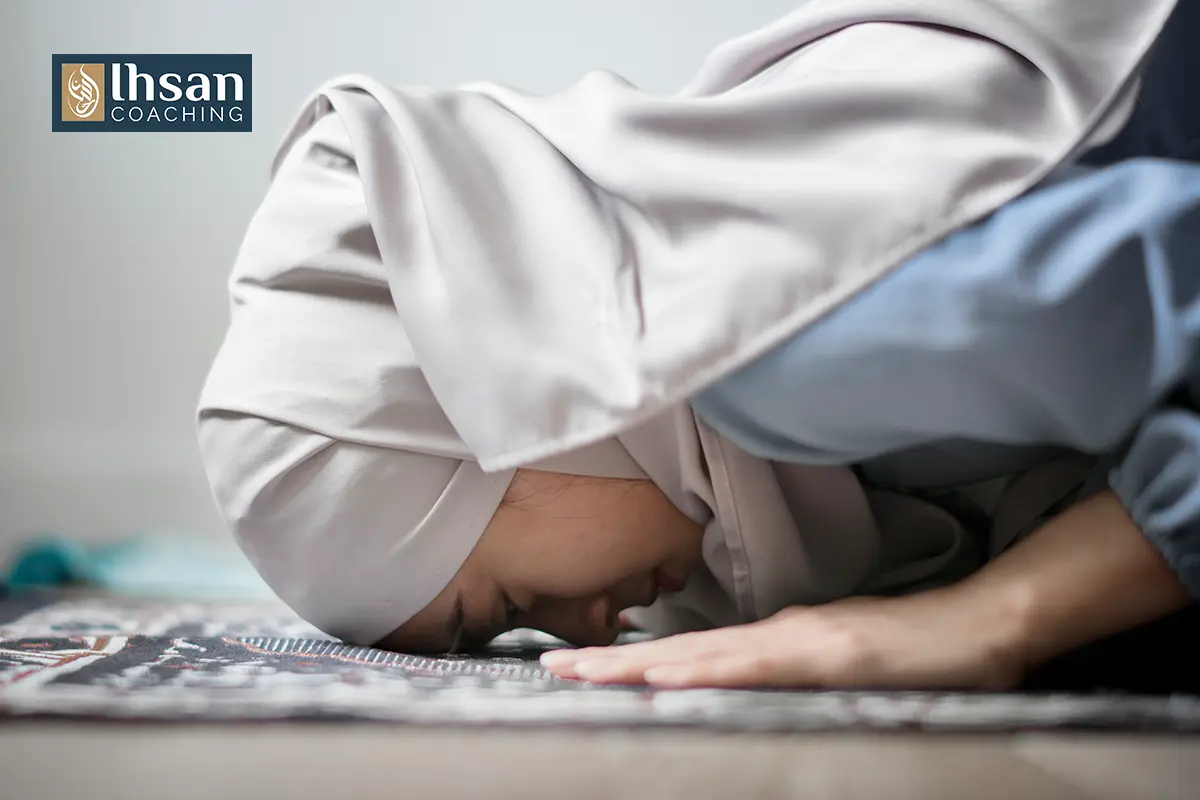
Daily prayer creates immediate structure when your life feels chaotic. Engaging deeply in Salah, especially during Sujood (prostration), acts as a spiritual anchor. Studies link consistent prayer to lower stress and improved mental health during traumatic events.
Which Quranic Verses Help Heal a Broken Heart?
The Quran provides direct comfort for grief and trauma. Reading specific Surahs offers a roadmap for recovery and builds emotional tolerance.
| Goal | Quranic Reference | Key Message |
|---|---|---|
| Finding Relief | Surah Ash-Sharh (94:5-6) | “For indeed, with hardship will be ease.” |
| Managing Overwhelm | Surah Al-Baqarah (2:286) | “Allah does not burden a soul beyond that it can bear.” |
| Seeking Healing | Surah Al-Isra (17:82) | The Quran is sent down as healing and mercy for believers. |
| Controlling Anger | Surah Al-Imran (3:134) | Allah loves those who restrain anger and pardon others. |
| Building Peace | Surah Al-Hujurat (49:10) | Believers are brothers, so make peace and fear Allah. |
How Does Dhikr Calm a Racing Mind?
Continuous remembrance of Allah grounds you in the present moment. Repeating phrases like “SubhanAllah”, “Alhamdulillah”, and “Allahu Akbar” interrupts spirals of negative thinking. This practice maintains your connection with Allah throughout the day.
How Do You Practice Sabr When You Feel Overwhelmed?
Healing happens gradually. Sabr means enduring the emotional pain without making hasty, destructive decisions. Surround yourself with supportive people and give yourself permission to grieve at your own pace.
When Should You Seek Professional Islamic Counseling?
Reach out to a professional when spiritual practices alone are not lifting your depression. Integrating clinical therapy with Islamic guidance reduces the long-term impact of divorce. Ihsan Coaching provides services that blend Quranic principles with modern psychology to help you process the trauma safely.
Can Giving Sadaqah Speed Up Your Healing?
Helping others diverts your focus from your own pain and gives you renewed purpose. Prophet Muhammad (PBUH) taught that charity brings blessings into your life. Giving Sadaqah purifies your wealth and helps restore your inner peace.
How Can You Overcome Post-Divorce Isolation?
Actively seek out supportive, faith-aligned friends to counter the intense loneliness of divorce. A strong Muslim community offers practical advice and a safe space to process your feelings without judgment.
How Do You Rebuild Your Life After Separation?
Set new independent goals to signal the start of your next chapter. Focus on pursuing education, building a new career skill, or returning to neglected hobbies. Forward momentum prevents you from getting stuck in the past.

Frequently Asked Questions
Is there a specific dua I should recite for a divorce?
Islam provides powerful supplications for every phase rather than one single prayer. Use Istikhara for guidance before deciding, say “Hasbiyallahu la ilaha illa Huwa” for strength during the process, and ask Allah for patience and peace afterward.
How long does it take to heal from a divorce?
Healing is a highly personal timeline. Some feel relief in months, while others need years to fully process the grief. Focus on consistent spiritual habits and seek support when you feel stuck.
How can I ensure my children cope well with the divorce?
Maintain open communication and provide emotional stability. Shield them from parental conflict and consider involving them in counseling sessions to keep their environment stable and loving.
What role does forgiveness play in Islamic healing?
Forgiveness frees you from carrying toxic anger and resentment. It does not mean you excuse harmful behavior. Islam encourages pardoning others to attain your own inner peace and move forward.
Where can I find professional help?
If you are struggling, Ihsan Coaching offers compassionate, faith-based counseling services. Our experts blend Islamic teachings with modern psychological practices to help you heal.
Disclaimer: The Quranic verses and Hadith referenced in this article are cited for educational and spiritual reflection purposes. Translation sources used: Quran.com, Sunnah.com. This content is not intended as a fatwa or religious ruling.