

Summary
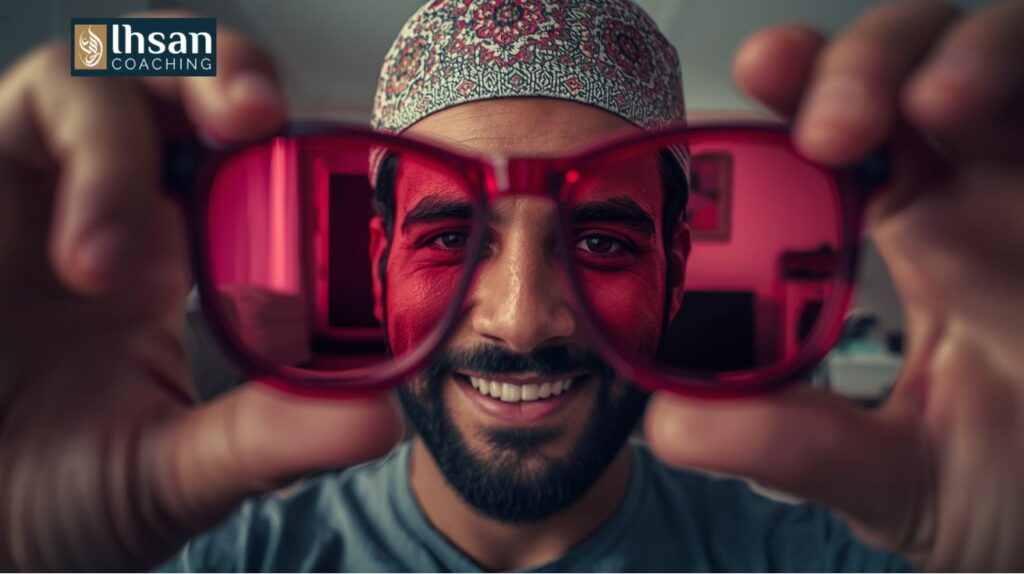
“The pressure to get married can sometimes make us wear rose-colored glasses, leading us to overlook serious character flaws. This guide helps you remove the blinders and spot the critical warning signs from spiritual hypocrisy to anger issues that could lead to a difficult marriage.”
The proposal has arrived. The families are excited. The biodata looks perfect on paper: a respectable profession, a well-known family, and they pray five times a day. Your parents are telling you how lucky you are, and your friends are already planning the wedding outfits.
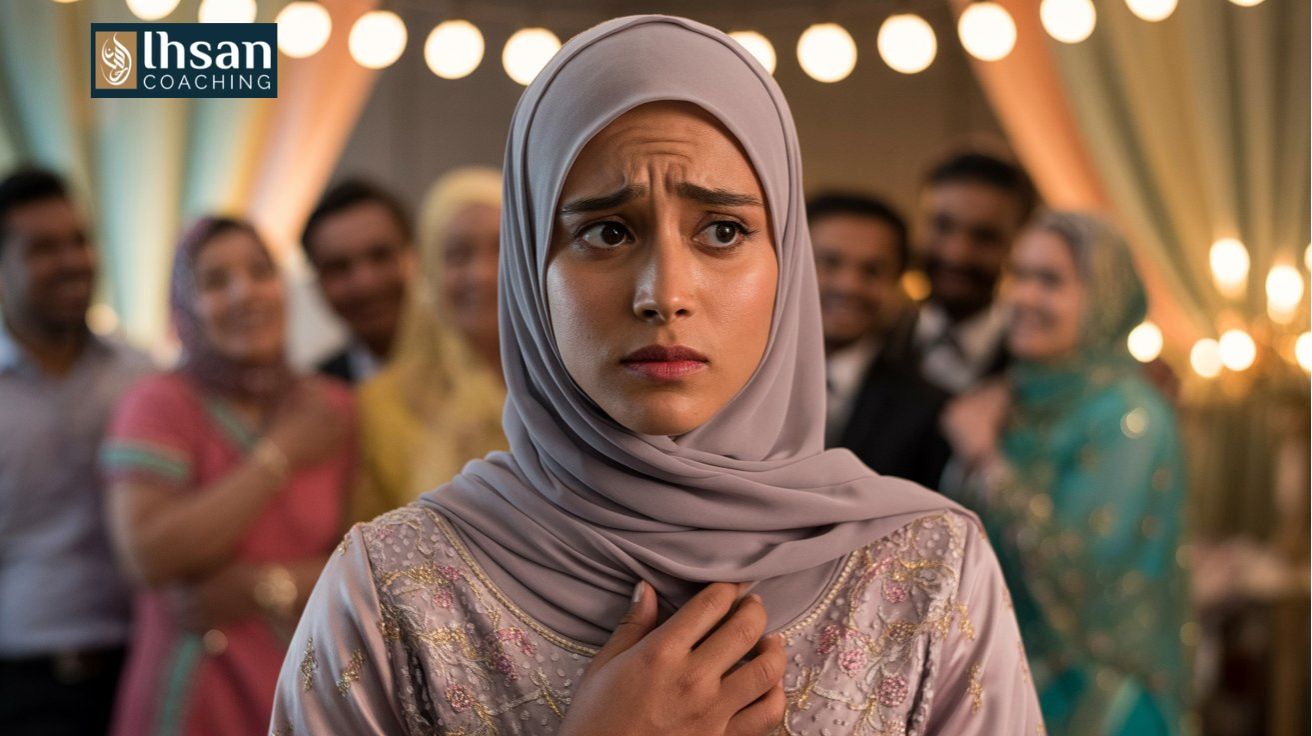
But deep down, in the pit of your stomach, something feels… off.
Maybe it was a sarcastic comment they made about your career goals. Maybe it was the way they snapped at a waiter during dinner. Or maybe it is just a heaviness in your chest that you cannot explain, a hesitation that lingers despite the “perfect” checklist.
This is the critical moment where many young Muslims make a life-altering mistake: they ignore the red flags before marriage.
In our culture, the pressure to “tie the knot” is immense. We are often told, “Don’t be too picky,” “Marriage requires compromise,” or “You can fix them after the Nikah.” But Islam teaches us the opposite. The Prophet Muhammad (PBUH) emphasized that we must choose a spouse based on Deen (faith) and Akhlaq (character). He did not say choose them based on their father’s reputation or their salary alone.
If the character is flawed, the marriage will be torture. Marriage is meant to be a fortress of peace (Sakinah), but you cannot build a fortress on a foundation of cracks.
In this comprehensive guide, we will explore the critical warning signs before Nikah, identify specific Islamic red flags in marriage, and empower you to trust your intuition and your Lord before you sign the contract.
Character is Everything: The “Nice Guy” Mask
During the “talking phase,” engagement, or courtship, everyone is on their best behavior. This is the “interview stage.” Just as you wouldn’t show up to a job interview in pajama pants, a suitor isn’t going to show you their worst traits immediately.
However, a person can only wear a mask for so long before it slips. To spot red flags before marriage, you have to stop looking at how they treat you (the person they are trying to impress) and start looking at how they treat everyone else.
The “Waiter Rule”
This is a universal litmus test for character. Watch closely how your potential spouse treats people who can do nothing for them.
- How do they speak to the Uber driver?
- How do they treat the server at the restaurant?
- How do they treat beggars or people asking for charity?
- How do they treat their younger siblings or children in the family?
If they are charming, poetic, and respectful to you, but rude, dismissive, or arrogant to “subordinates,” this is a major red flag. Arrogance (Kibr) is a trait that Allah (SWT) despises. The Prophet (PBUH) said, “No one who has the weight of a seed of arrogance in his heart will enter Paradise.” (Muslim).
Eventually, when the honeymoon phase fades, that arrogance will be turned toward you.
Consistency: Do Words Match Actions?
Integrity is the bedrock of a Muslim marriage. Does this person do what they say they will do?
- Do they promise to call at 5 PM and call at 9 PM with no explanation?
- Do they claim to be generous but constantly complain about the price of everything?
- Do they claim to value modesty but follow inappropriate accounts on social media?
Small inconsistencies reveal a lack of integrity. If you cannot trust them with small commitments now, how can you trust them with your life, your secrets, and your children later?
Islamic Red Flags in Marriage
As Muslims, we often fall into the trap of assuming that if someone looks religious (beard, hijab, thobe, regular mosque-goer), they are automatically a good spouse. Unfortunately, outward appearance does not always equal inward piety.
Islamic red flags in marriage are often the hardest to spot because they are disguised as righteousness. Here is what you need to look for.
- The “Sheikh” Syndrome (Hypocrisy)
Be wary of a suitor who is obsessed with their public image as a “religious” person but lacks basic Adab (manners) in private.
- Do they backbite (Gheebah) about others constantly?
- Are they rigid, harsh, and judgmental with people who sin, lacking the mercy and gentleness of the Prophet (PBUH)?
- Do they treat religion as a stick to beat others with, rather than a light to guide themselves?
A person who has true Taqwa (God-consciousness) is humble, soft-spoken, and focused on their own flaws. A person who uses religion to inflate their ego is dangerous.
- Weaponizing Religion
This is a massive toxic trait in Muslim marriage and a form of spiritual abuse. Watch out for partners who use Islamic terminology to silence you or control the conversation.
- For Men: If he constantly quotes verses about “Obedience” and the husband’s rights (Qawwam) but gets angry or dismissive when you ask about your rights to Mahr, kind treatment, or financial maintenance, he is preparing to be a dictator, not a husband.
- For Women: If she uses religion solely to demand material things beyond your means (demanding a lavish lifestyle as her “right”) while neglecting the Islamic concept of gratitude (Shukr) and contentment (Qana’ah), this indicates a lack of spiritual maturity.
- Pushing Boundaries
A significant red flag is a suitor who claims to be religious but constantly tries to cross physical boundaries before the Nikah.
If they pressure you to meet in secret, touch, send inappropriate photos, or engage in sexual conversations while saying, “It’s okay, we are getting married soon,” or “Don’t be such a prude,” they do not respect Allah’s limits.
Rule of thumb: If they do not respect the limits of Allah, they will not respect your boundaries once you are married.
Toxic Traits in Muslim Marriage Proposals
Beyond the religious aspect, there are psychological toxic traits in Muslim marriage proposals that signal personality disorders, narcissism, or abusive tendencies.
- Controlling Behavior vs.Ghayrah
In Islam, Ghayrah is a praiseworthy, protective jealousy. A man should want to protect his wife’s honor and safety from harm or unwanted attention.
However, there is a fine line between Ghayrah and Control. You need to know the difference.
- Healthy Ghayrah: He cares about your safety, ensures you are respected, and upholds modesty boundaries.
- Toxic Control: He demands your social media passwords, tells you to cut off your childhood friends, forbids you from seeing your own family, or constantly accuses you of looking at other men.
If a suitor tries to isolate you from your support system under the guise of “protection,” run. Isolation is the first step of abuse.
- Explosive Anger
The Prophet Muhammad (PBUH) gave us the ultimate definition of strength: “The strong man is not the good wrestler; the strong man is only the one who controls himself when he is angry.” (Bukhari).
Pay close attention to how they handle frustration during the engagement period.
- If the restaurant gets the order wrong, do they explode?
- If there is traffic, do they scream and curse?
- If you disagree with them on a minor issue, do they resort to insults or the silent treatment?
If they cannot regulate their emotions during the engagement (when they are supposed to be putting their best foot forward), imagine what they will do during the stress of raising children, financial hardship, or sleep deprivation. Uncontrolled anger is a safety hazard.
- The Victim Mentality
Does every story they tell involve them being the victim?
- Is their ex-spouse “crazy”?
- Are their parents “unfair”?
- Is their boss “out to get them”?
- Are their friends “fake”?
Someone who cannot take accountability for their own life will never take accountability for their mistakes in a marriage. It will always be your fault. In a marriage, you need a partner who can say, “I was wrong, I’m sorry,” not a partner who says, “Look what you made me do.”
The Family Dynamic: Warning Signs Before Nikah
In Muslim cultures, the reality is that you don’t just marry the person; you marry the family. While you have the Islamic right to separate living quarters, the family dynamic is a preview of your future peace.
Enmeshment (The Umbilical Cord)
Does your potential spouse seem unable to make a simple decision without consulting their parents?
- If he needs his mother’s approval to choose a restaurant for dinner…
- If she shares every detail of your private text conversations with her sister…
This is a sign of enmeshment. A healthy marriage requires two adults to form a new independent unit. If the umbilical cord hasn’t been cut, you will always be the “outsider” in your own marriage. You will be marrying a child in an adult’s body.
Rushing the Process
Be very careful if a family is pushing for the Nikah to happen immediately without a valid reason.
“Why wait? Let’s do it next week! We don’t need to talk more.”
While Islam encourages not delaying marriage unnecessarily, rushing without allowing time for due diligence (Swa’al) often means they are hiding something. They might be hiding a previous secret marriage, a massive debt, a gambling addiction, a visa issue, or a medical condition. Do not let them guilt-trip you into skipping the vetting process.
Disrespectful Talk
Listen to how they talk about their own parents. If they are rude, dismissive, or abusive to the people who raised them, do not think you will be the exception. Conversely, if they allow their family to speak disrespectfully about you or your family during the engagement without standing up for you, they will not defend you after marriage.
Istikhara and The “Gut Feeling”
Finally, do not underestimate the spiritual red flags.
We are taught to pray Istikhara (The Prayer of Guidance) when making a decision.
Many people think Istikhara is about seeing a vivid dream of colors (green means go, red means stop). This is a cultural misconception.
The result of Istikhara is how the events unfold and how your heart feels.
- The Obstacle Course: If you pray Istikhara and suddenly “small” red flags start popping up, obstacles arise, or the process becomes difficult and complicated that is your answer. Allah is turning it away from you.
- The Heart’s Constriction: If you feel a persistent, heavy knot in your stomach, anxiety, or dread every time you think about the wedding, that is your intuition (and potentially Allah) warning you.
Allah (SWT) gave you logic (Aql) and intuition (Fitrah). Do not silence them to please your parents or the community.
Conclusion
Identifying red flags before marriage is not about being cynical, paranoid, or looking for perfection. No human is perfect. We all have flaws.
However, there is a fundamental difference between a flaw and a red flag.
- A Flaw: Being messy, being bad at cooking, being forgetful, or being shy. These are human imperfections that can be managed with patience and love.
- A Red Flag: Dishonesty, anger issues, narcissism, controlling behavior, and lack of empathy. These are destructive traits that destroy lives and Iman.
It is infinitely better to break an engagement and face a month of awkward questions from the community than to enter a toxic marriage and face a lifetime of trauma or a painful divorce.
You are an Amanah (trust) to yourself. You are the custodian of your own peace and your future children’s environment. Protect that trust.
Are you confused by mixed signals?
Sometimes, it is hard to see the picture when you are inside the frame. Your emotions, family pressure, and hopes can blur your vision. If you are seeing warning signs before Nikah and need an objective, Islamic perspective to help you decide, we are here to help.