
Summary
“Many Muslim marriage conflicts stem from confusing cultural traditions with Islamic requirements. This guide helps you distinguish between what Allah commands and what culture expects, covering South Asian marriage practices, arranged versus love marriages, and how to build a faith-centered union that honors your heritage without compromising Islamic principles.”
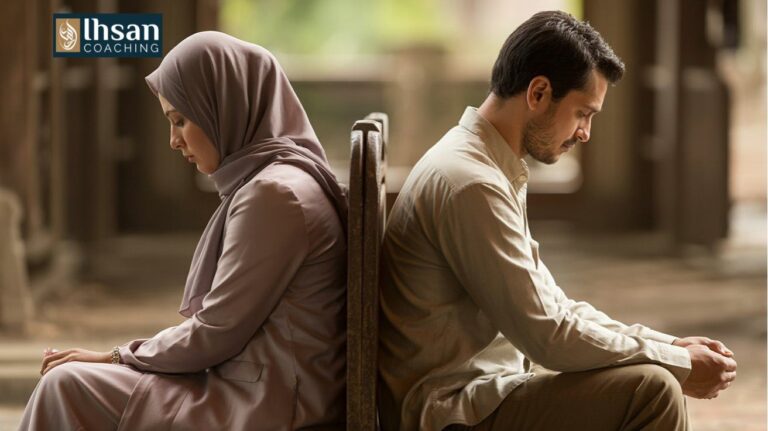
Aisha sat across from her parents, heart pounding. She’d found someone she wanted to marry a practicing Muslim from a different ethnic background. He checked every Islamic box: praying five times daily, good character, stable career, respectful family. But her parents had one concern that overshadowed everything else: “He’s not from our community.”
Meanwhile, Bilal faced a different dilemma. His family expected his bride’s parents to gift them substantial cash and gold. When he mentioned this contradicted the Islamic concept of mahr, his mother dismissed him: “This is how we’ve always done it.”
These scenarios play out in Muslim households worldwide, particularly in South Asian communities where cultural traditions run deep. The confusion between what Islam requires versus what culture expects creates unnecessary stress, broken engagements, and marriages built on shaky foundations.
Here’s the truth: Islam provides clear guidelines for marriage. Culture adds layers. Some beautiful, some burdensome, and some directly contradicting Islamic principles. This guide will help you distinguish between the two and build a marriage that pleases Allah while navigating family expectations with wisdom.
What Does Islam Actually Require for Marriage?
Islamic marriage requirements are surprisingly simple. Everything beyond these essentials falls into cultural preference, not religious obligation.
The Five Islamic Essentials
- Mutual consent from both parties is paramount. The Prophet Muhammad ﷺ invalidated the forced marriage of a woman named Khansa bint Khidam when she complained her father married her off without consent. No cultural practice can override this fundamental right.
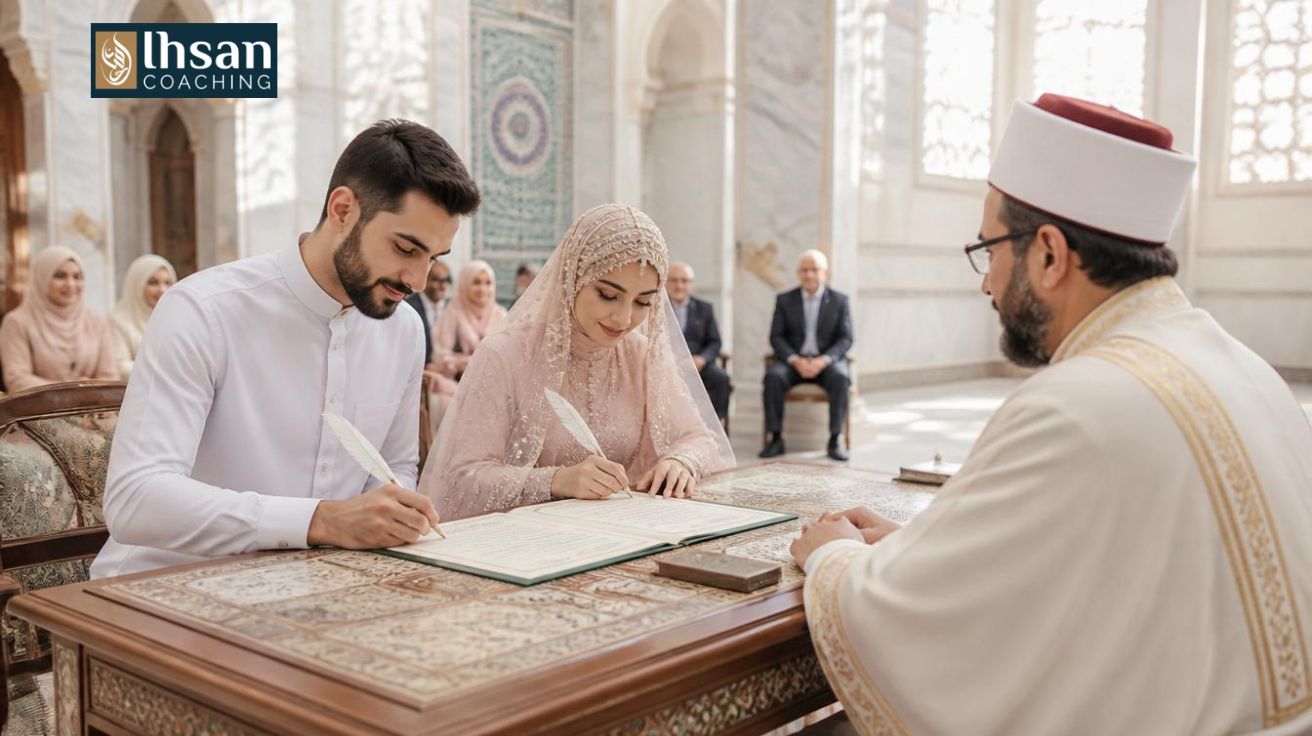
- The Mahr (Dower) is a mandatory gift from the groom to the bride not the other way around. This isn’t a transaction but a symbol of commitment belonging exclusively to the wife. The amount is flexible; the Prophet ﷺ approved a mahr as simple as teaching Quran.
- A Wali (guardian) for the bride ensures proper representation according to majority scholarly opinion. This isn’t about control; it’s about family support and protection.
- Two witnesses ensure transparency and social recognition. Islam prohibits secret marriages because they lack accountability.
- Public announcement distinguishes halal relationships from secret ones. This doesn’t mean expensive banquets; it means don’t hide your union.
Everything Else Is Cultural Addition
Once you have these five elements, you have a valid Islamic marriage. Elaborate ceremonies, specific dowry amounts, multi-day celebrations, matching family backgrounds, caste considerations, color preferences all come from culture, not Quran or Sunnah.
This distinction isn’t about dismissing culture. Cultural traditions can be beautiful. The issue arises when they’re presented as Islamic obligations or when they contradict Islamic principles.
Navigating South Asian Muslim Marriage Expectations
South Asian Muslim communities carry rich heritage, but some marriage practices have strayed from Islamic roots.
The Dowry Dilemma
In many families, the bride’s family provides substantial cash, jewelry, or gifts to the groom’s family. Families go into debt to meet these expectations.
This is the exact opposite of Islamic teaching. In Islam, mahr flows from groom to bride. Demanding dowry from the bride’s family has no basis in Islam and resembles pre-Islamic practices Islam came to eliminate.
The Prophet ﷺ said, “The best of marriages are those that are made easiest.” When we burden families with dowry expectations, we’re following cultural pressure, not prophetic guidance.
Caste and Class Stratification
“He’s from a good family, but not our level.”
This contradicts Islamic teaching. The Quran states: “Indeed, the most noble of you in the sight of Allah is the most righteous of you” (49:13).
In his final sermon, the Prophet ﷺ declared: “An Arab has no superiority over a non-Arab, nor does a non-Arab have any superiority over an Arab; a white person has no superiority over a black person, nor does a black person have any superiority over a white person, except by piety and good action.”
Yet families reject compatible matches based on caste, social status, or ethnic background. This is cultural baggage, not Islamic wisdom.
Extended Family Veto Power
While Islam honors parental involvement, it doesn’t give extended family unlimited veto power. The Wali’s role is protective, not dictatorial. If a Wali refuses a proposal without valid Islamic reasons (concerns about character, religious commitment, or ability to provide), guardianship can be transferred.
Your uncle’s opinion or cousin’s gossip doesn’t carry Islamic weight. Respect your elders but know that you and your potential spouse must consent.
Wedding Extravagance
Three-day weddings with designer outfits, 500+ guests, and expensive venues cost more than house down payments. None of this is required. The Prophet ﷺ had the simplest wedding, and Fatimah’s wedding was modest despite her being his daughter.
The Walima is Sunnah, but it’s meant to be simple celebration, not status competition. When families go into debt for elaborate expectations, we’ve strayed from Islamic wisdom.
The Colorism Crisis
“She’s nice, but too dark.” Colorism has no basis in Islam. The Prophet’s beloved companion Bilal was a dark-skinned African man, among the most honored Sahaba. Character, piety, and compatibility matter skin tone doesn’t.
Arranged Marriage vs Love Marriage Islam
This debate causes tension, but the answer might surprise you: Islam doesn’t prescribe a specific method. Both can be halal or haram depending on how they’re conducted.
Breaking the False Binary
Islam cares about process, not labels.
What Islam prohibits: Forced marriages and romantic relationships outside Islamic boundaries.
What Islam permits: Any halal process leading to marriage with proper consent, family involvement, and Islamic boundaries.
Arranged Marriage Reality Check
“Arranged” should mean “facilitated introduction,” not “forced union.” When families introduce two people, allow appropriate meetings, give decision-making time, and both freely consent this is Islamic.
The problem arises when “arranged” means:
- Parents deciding without consultation
- Pressure tactics or emotional blackmail
- Extremely limited decision-making time
- No opportunity to assess compatibility
The Prophet ﷺ gave a forced bride the choice to nullify her marriage, establishing that parents cannot force their children.
Love Marriage Framework
“Love marriage” doesn’t always mean Western dating. It can mean developing interest with the intention of marriage pursued through halal means:
- Meeting through work, school, or the community with proper Islamic boundaries
- Being introduced by friends or family
- Communicating with the intention of marriage
The Modern Hybrid Approach
Many young Muslims forge a middle path:
- Developing interest through halal means
- Expressing marriage intention early
- Involving families quickly
- Chaperoned meetings for compatibility assessment
- Time-bound process with reasonable engagement
- Making Istikhara and seeking counsel
- Moving toward nikah without unnecessary delay
This respects both Islamic requirements and modern realities.
Real-World Conflicts and Solutions
Scenario 1: Dowry Demands
Islamic Solution: Kindly explain that mahr goes to the bride. Provide hadith references. If they insist, this reveals priorities. Consider whether you want to marry into a family prioritizing culture over Islam.
Script: “We respect traditions, but we’d like to build our marriage on Islamic foundations. Mahr is given to the bride in Islam. We hope you understand this comes from wanting Allah’s blessing.”
Scenario 2: Different Background Rejection
Islamic Solution: Educate parents about the Islamic perspective. Inform them about the Quran 49:13 which talks about Taqwa being the measure of nobility. Think about involving a respected imam.
Give parents time to adjust. If objections are purely cultural without valid Islamic reasons, know that guardianship can be transferred.
Scenario 3: Crushing Wedding Costs
Islamic Solution: Establish boundaries early. Explain you want barakah, not debt. Reference: “The best wedding is that upon which the least trouble and expense is bestowed.”
Compromise with wisdom about having a modest celebration, a smaller guest list, or even having home-cooked food. Stand united as a couple.
Building a Faith-Rooted Marriage
Educate Yourself Continuously
Study Islamic marriage from the Quran, Hadith, and reputable scholars. Don’t rely on “what everyone does.”
Make Clear Distinctions
Create two columns: “Islamic Requirements” and “Cultural Preferences.” This clarity empowers proper prioritization.
You can honor beautiful cultural traditions that don’t contradict Islam. Knowing their options changes the conversation.
Communicate with Wisdom
Approach family with respect while standing firm on principles. Use Islamic evidence. Involve respected mediators.
Be patient. Cultural conditioning runs deep.
Prioritize Your Spouse and Deen
Allah says: “And of His signs is that He created for you from yourselves mates that you may find tranquility in them” (30:21).
Your marriage is sacred between you, your spouse, and Allah. Extended family matters, but not more than your Deen.
Seek Professional Help
Premarital counseling from an Islamic perspective helps you navigate complex situations, build communication skills, and resolve conflicts honoring both faith and family.
Conclusion
Culture and religion don’t have to be enemies in Muslim marriage. Problems arise when we confuse the two when cultural practices contradict Islamic teachings or when we elevate expectations to religious obligation.
Islam gives you clear, merciful guidelines: mutual consent, appropriate guardianship, mahr to the bride, witnesses, and public announcement. Everything else is negotiable.
You can honor your heritage while putting Allah’s pleasure first. You can respect parents while exercising your Islamic right to choose based on character and Deen. You can have beautiful celebrations without debt or compromising principles.
Whether through family arrangement or meeting someone with marriage intention, what matters is following Islamic process, not cultural labels.
Your marriage is between you, your spouse, and Allah. Seek His guidance through Istikhara, pursue knowledge of His commands, and have courage to choose faith over cultural conformity when they conflict.
The most successful Muslim marriages aren’t those following cultural scripts they’re built on Taqwa, mutual respect, clear communication, and shared commitment to pleasing Allah together.
Ready to navigate your marriage journey with Islamic clarity and cultural wisdom?
Ihsan Coaching provides faith-centered guidance for Muslim couples and individuals preparing for marriage. Book a 15-minute consultation to discuss your unique situation and get personalized Islamic coaching that honors your heritage while prioritizing your Deen.
Disclaimer: The Quranic verses and Hadith referenced in this article are cited for educational and spiritual reflection purposes. Translation sources used: [e.g. Quran.com, Sunnah.com]. This content is not intended as a fatwa or religious ruling.