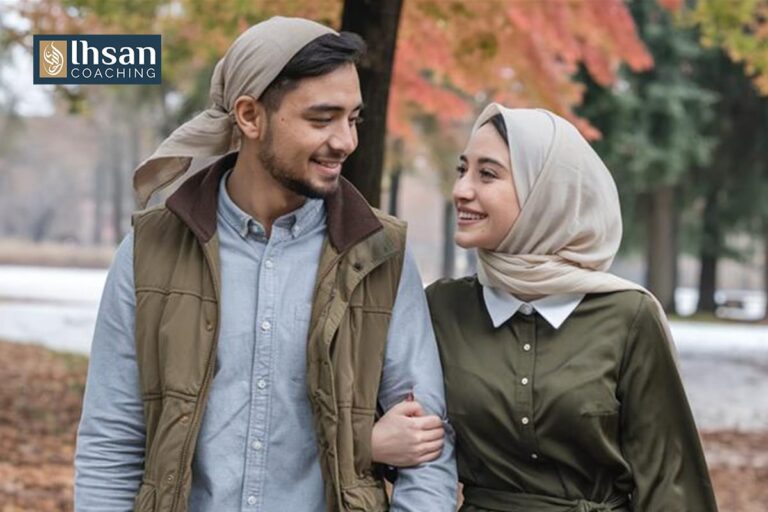


Yes, Islam permits marrying someone you love when the nikah meets Islamic requirements. Having feelings for someone, how you act on those feelings before marriage, and whether the nikah is valid are separate questions.
Is Love Before Marriage Haram?
Feeling attracted to someone can happen without you choosing it. What you can choose is how you respond. If both of you are considering marriage, use your conversations to learn whether your faith, values, and plans for married life are compatible. Keep the discussions respectful, avoid private seclusion and physical intimacy, and involve your families or a trusted person early.
If you have already crossed a boundary and still want to marry, seek guidance on two separate questions. What should you do about what happened before marriage? What conditions must your nikah meet? A qualified scholar can help you work through both questions in your circumstances.
What Do the Quran and Sunnah Say About Love and Marriage?
In Surah Ar-Rum 30:21, Allah describes marriage as a relationship marked by tranquility, affection, and mercy. The verse describes the bond between spouses and gives couples a way to think about the kind of marriage they want to build.
A hadith narrated by Ibn Abbas points to marriage as a path for two people who love each other. Together, these sources give you a starting point for a practical question. Can you and this person build a marriage grounded in faith, kindness, and mutual responsibility? Sunan Ibn Majah 1847
What Are the Conditions for a Valid Nikah?
Whether you chose each other or were introduced by family, a nikah is a marriage contract. Both people should freely consent, and the contract should include a clear offer and acceptance. The couple should also confirm that there is no impediment to the marriage and discuss the bride’s right to mahr.
Ask the scholar or officiant who will guide your nikah to explain the requirements for witnesses, public announcement, and the role of the Wali, or marriage guardian. Schools of Islamic law differ on some of these details. For example, Dar al-Ifta explains the Hanafi position, under which an adult woman of sound judgment may conclude her own marriage contract, subject to qualifications discussed in that school.
If you are unsure how these requirements apply to your situation, speak with a qualified scholar before setting a date.
| Requirement | Description |
|---|---|
| Mutual Consent | Both the man and woman must willingly agree. Forced marriages are strictly forbidden (Quran 4:19). |
| Offer and Acceptance | A clear proposal (Ijab) and acceptance (Qabul) must take place. |
| Presence of a Guardian | The bride’s guardian (Wali) must consent and be present to protect her interests. |
| Reliable Witnesses | At least two trustworthy Muslim witnesses must attest to the marriage contract. |
| Public Declaration | The marriage must be announced publicly to the community. |
| No Impediments | There must be no religious or legal barriers, such as prohibited degrees of relation. |
Many jurists also emphasize Kafa’ah (compatibility) in areas like religious commitment and character to help ensure a stable union.
How Do You Pursue Love Before Marriage the Halal Way?
You can develop feelings for someone naturally. Islam focuses on how you manage those emotions and channel them toward marriage. A halal courtship protects your dignity, builds trust, and keeps your relationship grounded in faith.
Follow these steps for a halal courtship:
- Clarify Your Intentions: Be upfront that your goal is marriage.
- Involve Your Families: Bring your families into the process early.
- Maintain Modest Boundaries: Keep communication respectful and avoid Khalwa (private, unsupervised isolation).
- Seek Divine Guidance: Pray Istikhara to ask Allah for direction.
- Prioritize Faith and Character: Focus on Deen (religious practice) and good character over superficial traits.
If you’re weighing strong feelings alongside questions about compatibility, see how to tell halal love from infatuation before marriage.
If you’re deciding whether to approach someone you already know or consider a family introduction, our guide to arranged marriage vs. love marriage in Islam compares family involvement, personal choice, and how to assess compatibility.

What If Your Parents Object to the Person You Want to Marry?
Start by asking your parents what worries them. A concern about someone’s character, honesty, or readiness for marriage deserves a closer look. An objection based on ethnicity, caste, or social status calls for a different conversation. Understanding their reason can help you decide what to discuss next.
If you feel ready to move forward, explain why you believe the person is a good match. Share what you have discussed about faith, finances, where you would live, and expectations around family involvement. If your parents have had little contact with the person, a structured introduction may help them assess the proposal directly.
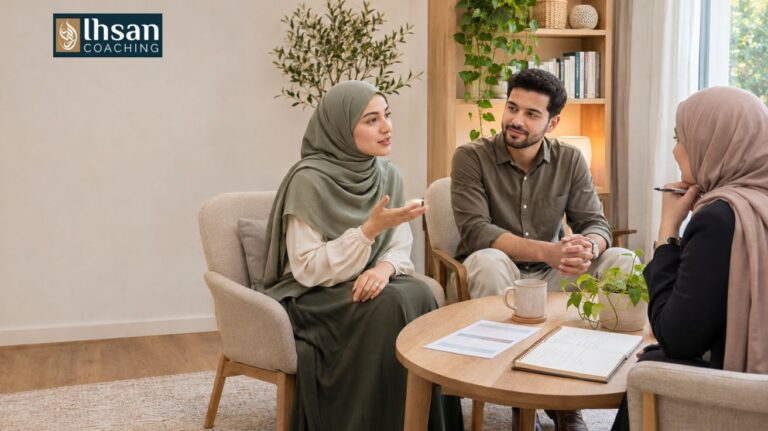
If the conversation keeps breaking down, ask a trusted imam, scholar, or family mediator to hear both sides. For a disagreement about consent or the role of a wali, seek advice specific to your situation before proceeding. You can also speak with a scholar through Ihsan Coaching’s religious consultation service.
What Rights Does an Islamic Marriage Guarantee?
Islam views marriage as a strong covenant and establishes clear rights and protections for both spouses to ensure a fair partnership.
- Financial Maintenance: The husband is responsible for providing for the household.
- Kind Treatment: Spouses must live together in kindness, as commanded in the Quran.
- Mutual Rights: Both men and women have rights over each other.
- Emotional Support: The Quran describes spouses as garments for one another, providing comfort and protection.
What Are Common Misconceptions About Love Marriages?
Many cultural beliefs contradict Islamic teachings regarding love and marriage.
| Misconception | Islamic Reality |
|---|---|
| Love marriage leads to sin. | Love itself is not a sin. Islam simply regulates the path to marriage. |
| It undermines parental authority. | Parents are there to advise and guide, not to force a decision. |
| Spouses will lose respect for each other. | Mutual respect is a religious obligation regardless of how the couple met. |
Can Faith and Affection Coexist in Marriage?
Islam blends faith and love seamlessly. You do not have to choose between following your religion and marrying someone you love. A love marriage kept within halal boundaries brings tranquility, companionship, and spiritual growth. By grounding your choices in the Quran and Sunnah, your marriage will reflect the mercy and affection Allah intended.
FAQ: Love and Marriage in Islam
What happens if my parents reject the person I love?
Islam encourages you to respect and consult your parents. However, if they reject a righteous and compatible partner for purely cultural or racial reasons, Islamic scholars advise seeking mediation through a trusted imam or community leader. A forced marriage is never valid.
Can we communicate online before getting married?
Yes, online communication is allowed if it remains purposeful, respectful, and focused on marriage. You should avoid unnecessary casual chatting and ensure family members are aware of the conversations to maintain transparency.
Is dating allowed in Islam?
The modern concept of dating, which often involves physical intimacy and being alone together, is not permitted. Islam offers a guided courtship process where couples get to know each other with clear intentions and family involvement.