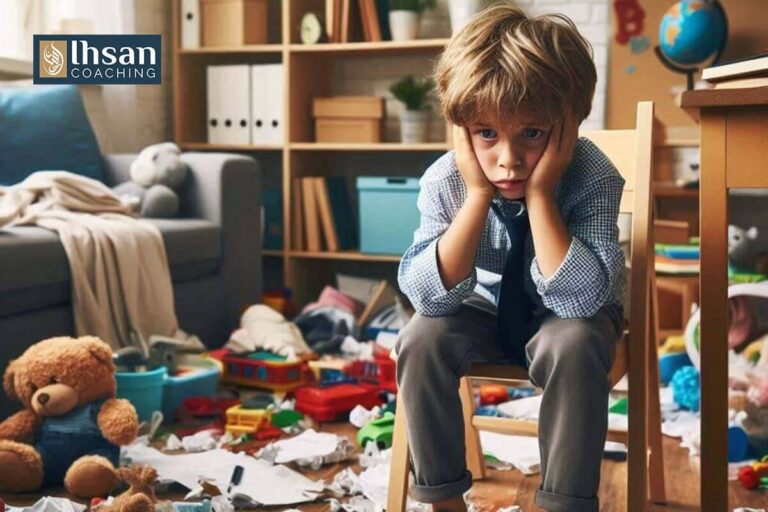

Childhood trauma, whether it stems from emotional, physical, or psychological wounds, can have long-lasting effects on a person’s life. One of the most significant areas where these impacts are felt in marriage. Unhealed trauma from childhood can influence a person’s behavior, relationships, and emotional well-being, making it challenging to build healthy, fulfilling partnerships.
In Islam, marriage is considered a sacred bond built on love, trust, and mutual support. However, for those carrying the weight of unresolved childhood trauma, the journey to a strong and harmonious marriage can be fraught with difficulty. The good news is that healing from childhood trauma is possible, especially when couples are committed to working through it together.
In this blog, we will explore the impact of childhood trauma on marriage and offer five practical ways that couples can heal together, supported by both psychological insights and Islamic principles.
Understanding the Impact of Childhood Trauma on Marriage
Childhood trauma can affect a person’s ability to trust, communicate, and connect emotionally in marriage. Traumatic experiences from the past can manifest in various ways, such as:
- Emotional avoidance: The individual may struggle to express their feelings or emotions, leading to emotional distance in the relationship.
- Trust issues: Past betrayals or neglect can create difficulties in trusting a partner, often leading to insecurity and jealousy.
- Attachment difficulties: Individuals may have trouble forming healthy emotional bonds, either becoming too dependent or overly distant from their spouse.
- Anger and resentment: Unresolved trauma may lead to outbursts of anger or bitterness, especially if a partner unintentionally triggers painful memories.
Understanding these effects is the first step toward healing. Recognizing the trauma and its impact on the marriage can create the necessary foundation for healing and growth.
1- Acknowledging the Trauma Together
The first step in healing childhood trauma within a marriage is for both partners to acknowledge and discuss the trauma openly. Many people may try to suppress painful memories, not realizing how much they affect their daily lives and relationships. In a healthy marriage, it’s essential to create a safe space for both partners to express their fears, vulnerabilities, and experiences.
Islamic Perspective:
Islam encourages open communication and mutual understanding between spouses. The Qur’an teaches us that marriage is a means of finding peace, affection, and mercy:
وَمِنْ آيَاتِهِ أَنْ خَلَقَ لَكُمْ مِنْ أَنْفُسِكُمْ أَزْوَاجًا لِتَسْكُنُوا إِلَيْهَا وَجَعَلَ بَيْنَكُمْ مَوَدَّةً وَرَحْمَةً ۚ إِنَّ فِي ذَٰلِكَ لَآيَاتٍ لِقَوْمٍ يَتَفَكَّرُونَ
“And of His signs is that He created for you from yourselves mates that you may find tranquility in them; and He placed between you affection and mercy (Qur’an, 30:21).”
This verse emphasizes the importance of emotional connection, tranquility, and understanding in a marriage. Acknowledging trauma together can foster empathy and strengthen the bond between spouses.
Practical Tips:
- Create a safe, non-judgmental space where both partners can talk openly about their past.
- Listen actively to each other’s feelings without interrupting or offering immediate solutions.
- Acknowledge the impact of trauma without minimizing or dismissing each other’s experiences.
By acknowledging trauma together, couples can start the healing process and work on building a stronger connection.
2- Seeking Professional Help: Therapy and Counseling
Healing from childhood trauma often requires professional help. Therapy or counseling can provide the necessary tools and techniques to work through emotional wounds, understand their effects on marriage, and develop healthier coping strategies.
Islamic Perspective:
Seeking help when needed is not a sign of weakness in Islam. In fact, the Prophet Muhammad (PBUH) encouraged seeking knowledge and guidance in all areas of life, including emotional and mental health. The Prophet (PBUH) said:
يَا أَيُّهَا الَّذِينَ آمَنُوا اسْتَعِينُوا بِالصَّبْرِ وَالصَّلَاةِ ۚ إِنَّ اللَّهَ مَعَ الصَّابِرِينَ
“Seek help from Allah, and be patient, for indeed, Allah is with those who are patient (Qur’an, 2:153).”
This hadith reminds us that seeking help is an act of patience and trust in Allah’s plan. Therapy can be a means of seeking help to heal and improve mental health, thereby enhancing the marriage.
Practical Tips:
- Consider couple’s therapy or individual counseling to address unresolved trauma.
- Look for a therapist who specializes in trauma or relationship counseling.
- Encourage each other to be patient throughout the healing process.
Professional therapy can provide invaluable support, teaching couples how to process their trauma in a constructive manner while maintaining a healthy, supportive relationship.
3- Developing Healthy Communication Skills
One of the most profound ways childhood trauma can affect marriage is through communication breakdowns. People who have experienced trauma may struggle to communicate their needs, emotions, and boundaries, leading to misunderstandings or emotional distance.
In Islam, communication is a cornerstone of a strong, loving marriage. The Prophet Muhammad (PBUH) emphasized the importance of kind and effective communication:
“The best of you are those who are the best to their wives (Tirmidhi).”
This hadith highlights the importance of kindness, patience, and clear communication in a marriage. By developing healthy communication skills, couples can foster understanding and empathy, especially when dealing with trauma.
Practical Tips:
- Practice active listening, truly hear what your spouse is saying without interruption or judgment.
- Use “I” statements rather than “You” statements to express your feelings (e.g., “I feel hurt when…” instead of “You always…”).
- Be patient and avoid becoming defensive during difficult conversations.
Effective communication can reduce misunderstandings and help couples navigate the impact of trauma together.
4- Building Trust and Security
Trauma often undermines an individual’s ability to trust others. This can manifest in marriage through constant suspicion, fear of betrayal, or a lack of emotional vulnerability. Rebuilding trust is crucial for healing and maintaining a healthy marriage.
Islamic Perspective:
Trust is fundamental in Islam, and the Qur’an encourages mutual trust and respect in marriage. Allah (SWT) says:
وَلَهُنَّ مِثْلُ الَّذِي عَلَيْهِنَّ بِالْمَعْرُوفِ ۚ
“And they [wives] have rights similar to those [of husbands] over them in a just manner (Qur’an, 2:228).”
This verse highlights the equality and respect that should exist between spouses, which includes maintaining trust and ensuring emotional safety. Rebuilding trust takes time, but it’s essential for both individuals to feel secure and valued.
Practical Tips:
- Be transparent and honest with each other about your feelings and needs.
- Show consistency in your actions to rebuild trust over time.
- Offer reassurance and emotional support when needed.
Rebuilding trust is a gradual process, but with patience and commitment, couples can create a secure foundation for their marriage.
5- Practicing Patience and Compassion
Healing from childhood trauma is not a quick fix; it requires ongoing patience, compassion, and effort. Both partners must be understanding of one another’s healing journey and support one another through the ups and downs.
Islamic Perspective:
Patience is a virtue highly valued in Islam, and it is essential when navigating trauma and healing. Allah (SWT) says:
فَاصْبِرْ ۖ إِنَّ وَعْدَ اللَّهِ حَقٌّ ۖ
“So be patient. Indeed, the promise of Allah is truth (Qur’an, 30:60).”
This verse reminds us that healing takes time, and trusting in Allah’s wisdom can help couples stay strong throughout the process.
Practical Tips:
- Be patient with your spouse’s healing process, understanding that it may take time.
- Offer emotional support without pushing for immediate results.
- Practice compassion, understand that your spouse’s struggles are not personal attacks but a reflection of their pain.
Patience and compassion can create an environment of support, allowing both partners to heal at their own pace and move forward together.
Building a Stronger Marriage After Trauma
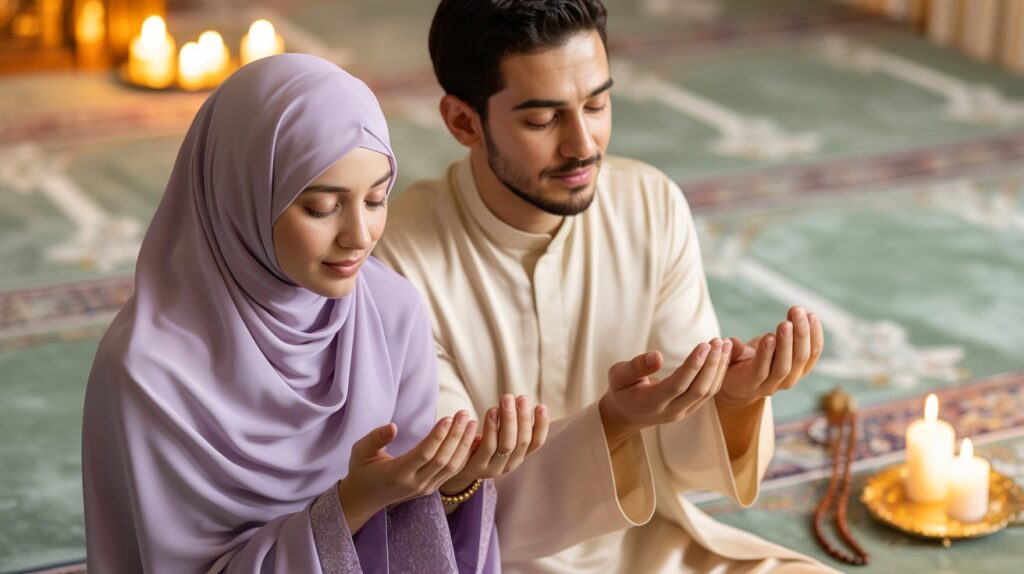
Childhood trauma can have a significant impact on a marriage, but with patience, understanding, and a commitment to healing, couples can work through these challenges together. Acknowledging trauma, seeking professional help, developing healthy communication skills, rebuilding trust, and practicing patience are all essential steps in the healing process.
By approaching the impact of childhood trauma with love, empathy, and Islamic principles, couples can strengthen their bond and create a marriage that is not only resilient but filled with peace, trust, and affection. With Allah’s guidance and mercy, healing together is possible, and the path to a stronger, more fulfilling relationship is within reach.
Turning Pain into Strength: Healing Childhood Wounds in Marriage
If you and your spouse are navigating the effects of childhood trauma and want guidance on how to heal together, reach out to our coaching services. Together, we can work on building a healthier, more supportive marriage grounded in Islamic values and mutual respect.